India’s Favourite Maruti Swift 2026 Is Here – Price Starts at Just ₹6.49 Lakh!
Some cars come and go. Some leave a mark. And then there’s the Maruti Swift — a car that has somehow managed to be India’s sweetheart for over two decades while simultaneously reinventing itself just enough to stay relevant without losing the plot.
The Maruti Swift 2026 is here, and if you were expecting a dramatic overhaul, you might be slightly surprised. But if you understand what the Swift has always been about — value, efficiency, fun, and that irresistible price tag — you’ll realise that Maruti has once again done exactly what needed to be done.
Starting at just ₹6.49 lakh (ex-showroom), this latest iteration of India’s most beloved hatchback arrives with enough updates to feel fresh while keeping the formula that’s sold millions of units intact. Let’s break it all down.
Maruti Swift Price in India — Still the Smartest Buy on the Market?
Start here, because for most Swift buyers, the conversation begins and ends with the number.
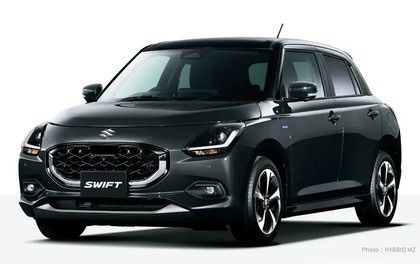
The Maruti Swift price in India for the 2026 model year kicks off at ₹6.49 lakh for the base LXi variant and climbs to approximately ₹9.64 lakh for the fully loaded ZXi+ AMT (ex-showroom, Delhi). That’s a lineup that covers an enormous range of buyers — from the first-time car owner stretching their budget to the urban professional who wants a complete, well-equipped daily driver.
What makes this pricing remarkable isn’t just the number itself — it’s what you get for it. Maruti’s manufacturing efficiency, massive localisation levels, and economies of scale mean they can pack genuine value into every variant in a way that very few manufacturers in the world can match at this price point.
The AMT automatic option, available across most variants, adds real-world convenience for city driving without the premium that a traditional torque-converter automatic commands. For the Mumbai or Bengaluru buyer sitting in traffic twice a day, that AMT is worth every rupee of its modest price premium.
And let’s not forget resale value — historically one of the strongest in the Indian market. A Swift bought today will be worth a respectable sum five years from now. That matters to the practical Indian buyer, and Maruti knows it.
Also read: Maruti Brezza 2026 – Is the Facelift Worth the Wait?
New Maruti Swift Features — What’s Actually New in 2026?
Fair question, because the Swift’s evolutionary approach means updates are always measured and deliberate rather than dramatic.
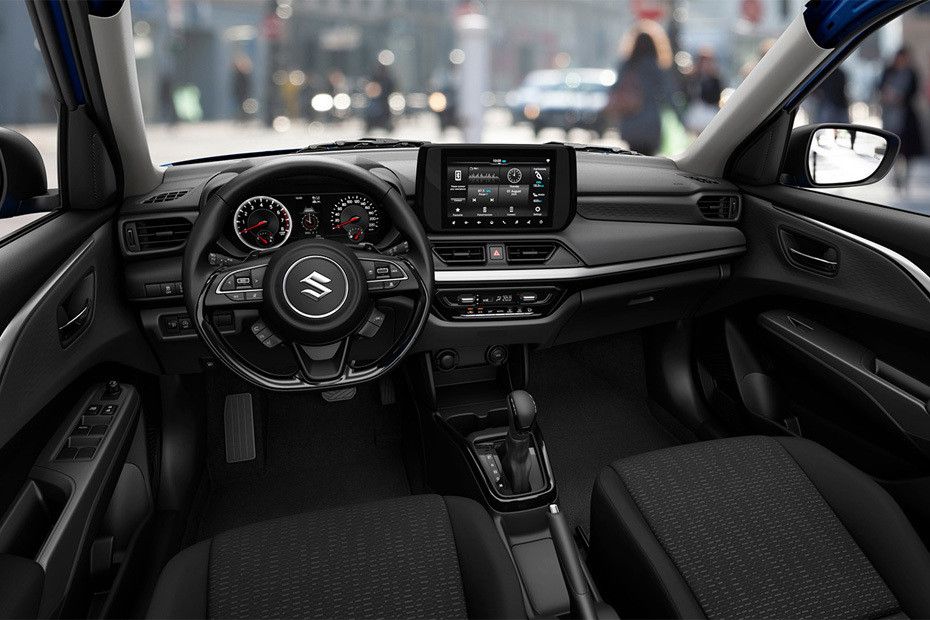
The new Maruti Swift features for 2026 include a refreshed touchscreen infotainment system with wireless Android Auto and Apple CarPlay — a genuinely welcome upgrade for a generation of buyers who treat their phone as the centre of their universe. The system is snappier and better integrated than before.
The instrument cluster gets a semi-digital treatment, blending analogue and digital readouts in a way that looks modern without being unnecessarily complicated. The steering wheel controls are now more intuitive, and the overall cabin materials feel a marginal but noticeable step up.
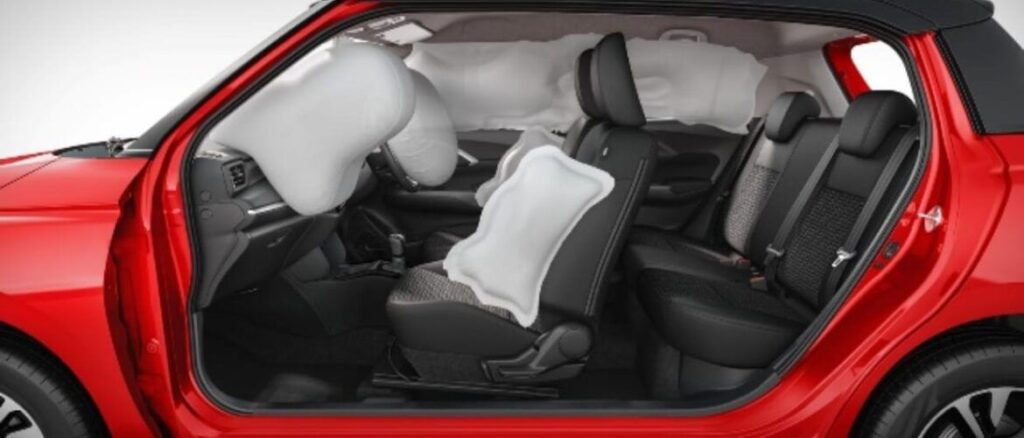
On the safety front — and this is important — the 2026 Swift comes with six airbags on higher variants, along with electronic stability control, hill hold assist, and a reversing camera. Maruti has been progressively strengthening their safety credentials across the lineup, and the Swift has benefited meaningfully from this effort.
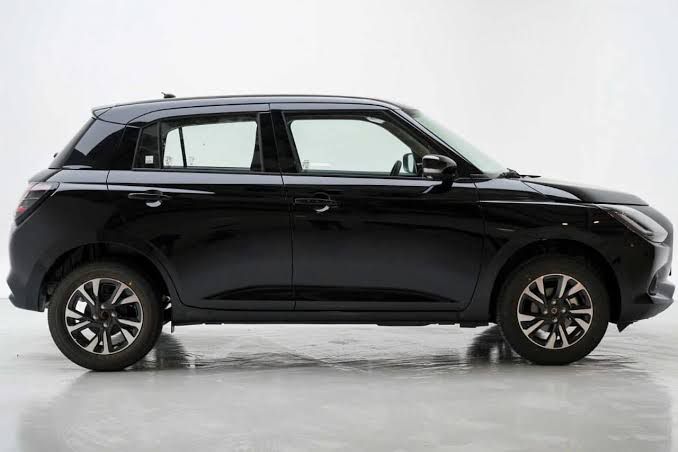
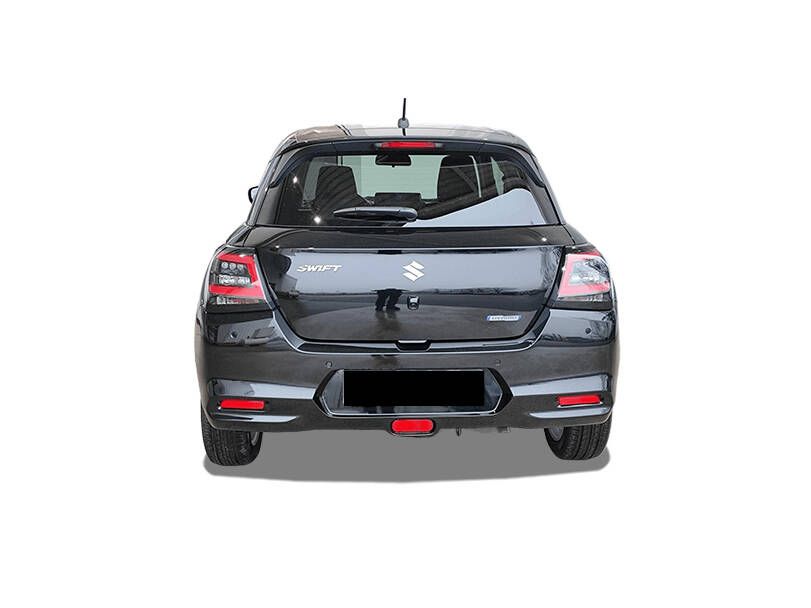
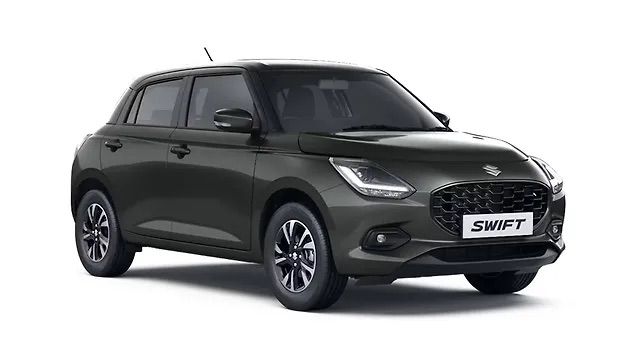
The exterior carries forward the sporty, aerodynamic silhouette that the fourth-generation Swift introduced, with subtle tweaks to the front grille, bumper design, and alloy wheel patterns on higher trims. Nothing revolutionary — but nothing needed to be. The Swift already looks the part.
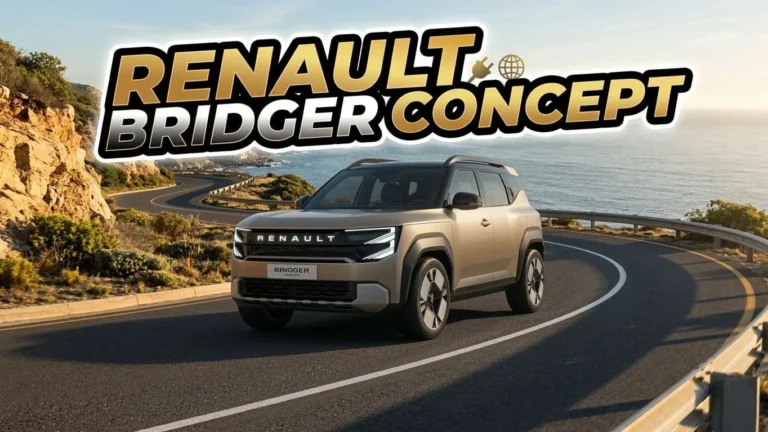
Also read: Renault Bridger Concept Revealed – Is This India’s Next Big Compact SUV?
Maruti Swift Mileage — Does It Still Deliver Where It Matters?
For a car that positions itself as an efficient, value-driven daily commuter, the Maruti Swift mileage figures are non-negotiable for buyers.
The 1.2-litre DualJet petrol engine — paired with idle start-stop technology — returns an ARAI-certified figure of 24.82 kmpl for the manual variant. The AMT version comes in at a very respectable 25.75 kmpl, making it one of the most fuel-efficient petrol hatchbacks in its class.
Real-world numbers, as always, will be lower. Expect 17–20 kmpl on highways and 13–16 kmpl in city conditions depending on traffic and driving style. But even these real-world figures are impressive for a petrol hatchback, and they translate directly into lower monthly fuel bills — something every Swift buyer genuinely cares about.
The engine itself is refined, punchy enough for city traffic, and comfortable at highway speeds. It’s not going to set your pulse racing, but it will get you to work and back every day for years without complaint. That’s the Swift promise, and it delivers.
Best Hatchback Under 10 Lakh in India — Does Swift Still Top the List?
The best hatchback under 10 lakh in India debate has gotten genuinely competitive over the years. Hyundai i20, Tata Altroz, Honda Amaze in the sedan-adjacent space — there are solid options across the board.
But here’s the thing about the Swift that its rivals consistently struggle to match: the complete package.
The i20 is more premium and feature-rich. The Altroz has better build quality scores and a five-star Global NCAP rating. But neither of them matches the Swift’s combination of fuel efficiency, resale value, service network reach, and that intangible feel-good factor that comes from driving something that just works intuitively.
Maruti’s service network — over 4,000 outlets across the country — means that whether you’re in Connaught Place or a small town in Chhattisgarh, there’s someone who can fix your Swift without you needing to worry. That peace of mind has real monetary value that doesn’t show up on spec sheets but shows up very clearly in owner satisfaction surveys.
For pure value delivery across the full ownership lifecycle — purchase price, running costs, maintenance, and resale — the Swift remains the benchmark in this segment. Rivals have closed the gap in specific areas, but no one has definitively overtaken it.
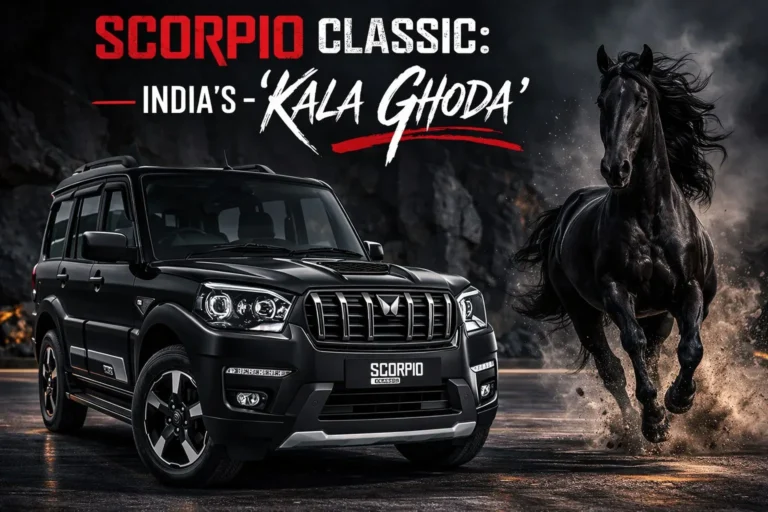
Also read: Mahindra Scorpio Classic 2026 : India’s ‘Kala Ghoda’ Still Rules the Roads”
Who Should Actually Buy the Maruti Swift 2026?
The Maruti Swift 2026 is genuinely one of those rare vehicles that works for a surprisingly wide range of buyers.
First-time car owners will find it approachable, easy to drive, and reassuringly affordable. Young professionals in metro cities will appreciate the AMT option, the connected features, and the compact footprint that makes parking in tight city spaces less of a daily adventure. Small families will find the rear seat adequate for two adults and a child, and the boot, while not generous, handles everyday luggage without protest.
Who it’s not ideal for: families of four who regularly take long road trips, buyers who prioritise cabin space above all else, or those who want diesel efficiency. The Swift has never claimed to be everything to everyone — and that clarity of purpose is part of what makes it so consistently good at what it does.
Also read: Mahindra Vision S Unveiled – Mahindra’s Next Big SUV Is Coming!
FAQs
Does the 2026 Swift get six airbags?
Yes — six airbags are available on higher variants. Lower variants come with dual airbags as standard along with ABS and EBD.
Is the AMT worth choosing over the manual?
For city-heavy driving, absolutely. The AMT adds convenience without a significant price premium and actually delivers better ARAI-certified fuel efficiency than the manual.
How does the 2026 Swift compare to the Hyundai i20?
The i20 offers more premium interiors and a feature-rich experience. The Swift counters with better fuel efficiency, lower ownership costs, wider service reach, and stronger resale value. Different priorities lead to different choices.
Is the Maruti Swift 2026 good for long highway drives?
It’s competent on highways — refined engine, stable at speed, and good mileage. However, for families regularly covering 300+ km in a single stretch, a larger car would offer more comfort, particularly for rear passengers.