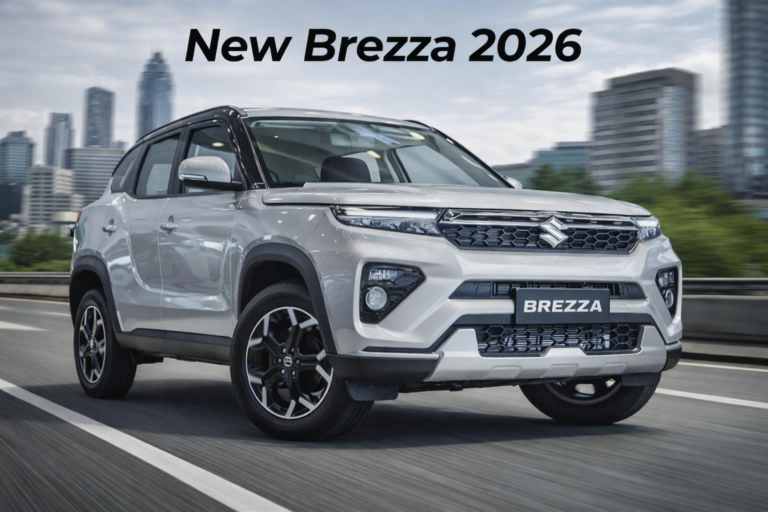
Big EV Launches Ahead: 5 Cars That Will Rule Indian Roads!
India’s EV revolution is shifting into high gear. With better charging infrastructure, longer battery ranges, and a growing appetite for cleaner mobility, 2026 is shaping up to be the most exciting year yet for electric vehicles in India. From budget-friendly compact SUVs to premium sportbacks, here are five big upcoming electric car launches you need to watch out for.
1. Tata Sierra EV — The Iconic Revival Goes Electric
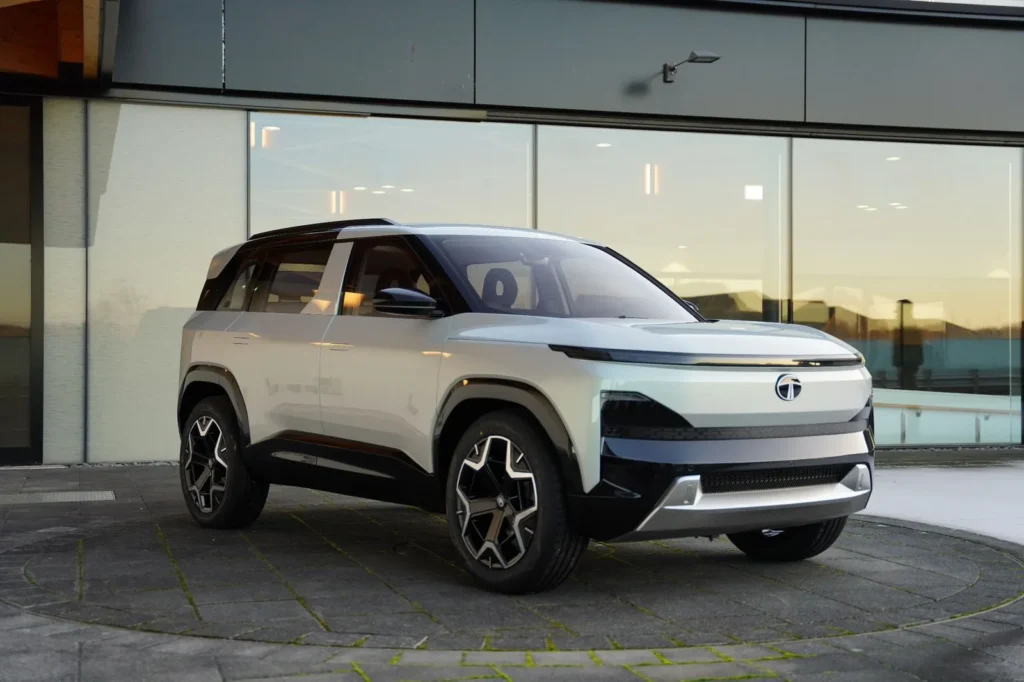
Expected Launch: Q2 2026 (April–June) | Estimated Price: ₹20–25 Lakh
Few names in Indian automotive history carry as much nostalgia as the Tata Sierra. The all-new Sierra has already made a splash in its ICE avatar, and now the electric version is gearing up to follow. Built on the same Acti.ev+ platform that underpins the Harrier EV, the Sierra EV will sit comfortably between the Curvv EV and the Harrier EV in Tata’s expanding lineup.
Expect two battery pack options — likely shared with the Harrier EV’s 65 kWh and 75 kWh units — along with both rear-wheel-drive and all-wheel-drive configurations. A claimed range of up to 500 km is on the cards, making it one of the most capable EVs in the segment. The cabin is expected to feature a triple-screen dashboard setup, electrically adjustable ventilated seats, and modern EV-forward features like Vehicle-to-Load (V2L) and Vehicle-to-Vehicle (V2V) charging. With its boxy retro silhouette updated with flush door handles, a full-width LED tail lamp, and Tata’s signature closed-off grille, the Sierra EV promises to be both a head-turner and a practical everyday electric SUV.
Also read: Best Mileage Cars Under ₹10 Lakh in India (2026)
2. Kia Syros EV — A Smart Compact SUV for the Masses
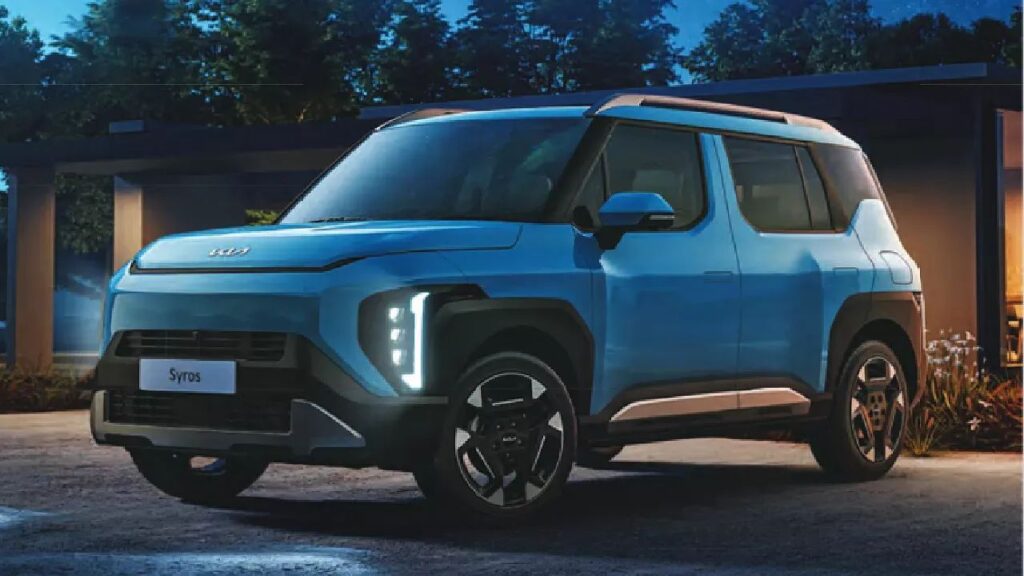
Expected Launch: Q2 2026 | Estimated Price: ₹14–20 Lakh
Kia’s compact Syros has already found fans in its petrol and diesel form. The electric version is now confirmed for India in 2026, and test mules have already been spotted on Indian roads with EV-specific design tweaks — a closed-off front grille, a charging flap on the front left fender, and neon green brake calipers.
Built on the K1 platform shared with the Hyundai Inster EV, the Syros EV will offer a front-wheel-drive setup with battery options of 42 kWh and 49 kWh, delivering a range of approximately 350–400 km. The cabin is expected to carry over the ICE model’s impressive 30-inch Trinity display with dual 12.3-inch screens, Level 2 ADAS, a panoramic sunroof, and ventilated front and rear seats. Priced between ₹14 and ₹20 lakh, it will directly rival the Tata Nexon EV, MG Windsor EV, and Mahindra XUV 3XO EV — a fiercely competitive segment where Kia will look to carve its own niche.
Also read: Best Electric Cars Under ₹20 Lakh in India 2026
3. Honda 0 Series Electric SUV — Japan’s EV Giant Finally Arrives
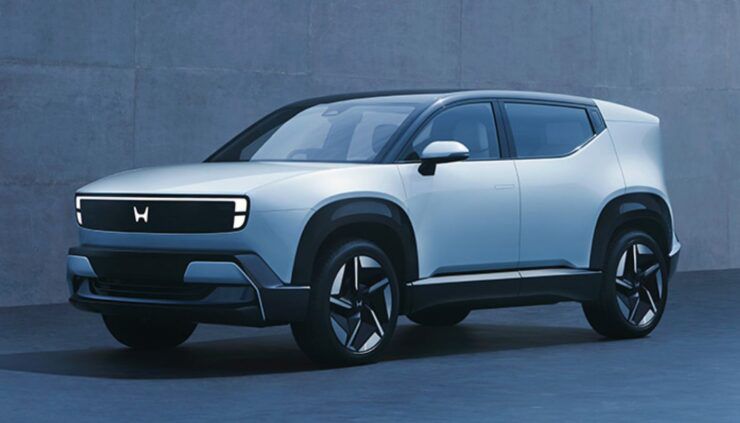
Expected Launch: Late 2026 / Early 2027 | Estimated Price: ₹40–55 Lakh (CBU Import)
Honda has been playing the long game in India’s EV market, and the wait is almost over. After years of focusing on hybrids, Honda Cars India has officially confirmed the launch of its first electric SUV — and it’s not a rebadged version of an existing model. This is something entirely new.
The upcoming Honda EV is based on the futuristic Honda 0 Series concept first unveiled at CES, built on Honda’s “Thin, Light, Wise” design philosophy — a forward-looking aesthetic that marks a clean break from conventional SUV design. It will arrive in India as a Completely Built Unit (CBU) import, giving it a premium price tag but also ensuring it carries the full global specification. Under the skin, expect a purpose-built EV platform with a battery pack likely in the 80–90 kWh range and a claimed range of approximately 480 km on a single charge.
What sets Honda’s EV entry apart is the intent behind it. Both Honda Cars India’s VP of Sales, Kunal Bahl, and CEO Takashi Nakajima have publicly confirmed this launch — and stressed that they’re building the ecosystem alongside the car. Honda is actively installing DC fast chargers at its dealerships across India, preparing its service network well ahead of the launch. With Honda’s legendary reliability, a tech-forward cabin, and Level 2 ADAS as standard, the 0 Series EV will take aim squarely at the Hyundai Ioniq 5, Kia EV6, and BYD Atto 3 in the premium electric crossover space.
Also read: Best SUVs Under ₹15 Lakh in India (2026 Guide)
4. Toyota Urban Cruiser Ebella — Japan’s Entry Into India’s EV Race
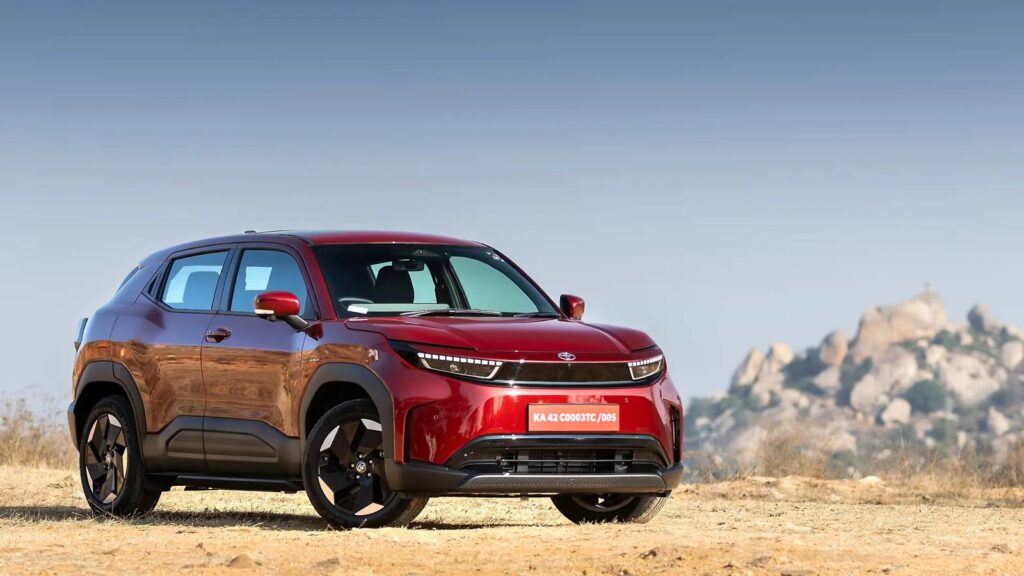
Expected Launch: Mid 2026 | Estimated Price: ₹18–25 Lakh
Toyota’s first born-electric car for India, the Urban Cruiser Ebella, has been a long time coming. Officially unveiled in January 2026, the Ebella shares its underpinnings with the Maruti Suzuki e Vitara but differentiates itself with a Prius-inspired headlight signature, distinctive exterior styling, unique interior trims, and Toyota’s own colour palette.
Two battery options — 49 kWh and 61 kWh — are expected, with ARAI-certified ranges of 440 km and 543 km respectively. The RWD variants are more likely to headline the India lineup. Bookings are already open at a token amount of ₹25,000, and available in three variants (E1, E2, and E3), it will compete head-to-head with the Mahindra BE 6, Hyundai Creta Electric, and the Maruti e Vitara itself. Toyota’s reliability reputation and strong service network make this one a particularly compelling proposition.
Also read: JSW Jetour T2 2026: Fortuner Killer Coming to India? Launch Date, Price & Shocking Details!
5. Tata Avinya — India’s First Premium Born-Electric Car
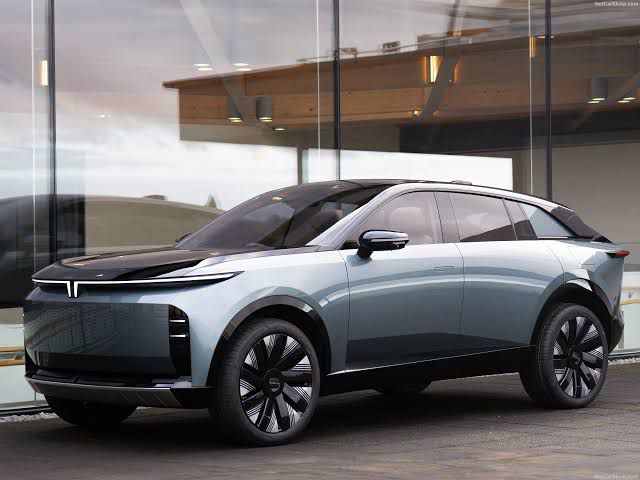
Expected Launch: Mid–Late 2026 | Estimated Price: Starting ₹35–40 Lakh
This is the one that truly signals India’s EV ambitions have levelled up. The Tata Avinya is a brand-new premium electric sub-brand, and its first production model is expected to be a sleek five-door sportback — think bold coupe lines with the practicality of a crossover. It will be the first Tata vehicle built on the Gen 3 skateboard born-electric platform, co-developed with Jaguar Land Rover’s Electrified Modular Architecture (EMA).
The Avinya won’t be sold through regular Tata dealerships — it will have its own exclusive sales network, underlining its premium positioning. With multiple battery options, AWD capability, and a claimed range likely exceeding 600 km, it is expected to take on established names like the Hyundai Ioniq 5 and Kia EV6. This is Tata going upmarket in a serious way.
Stay tuned to our blog for launch updates, price announcements, and first-drive reviews as these exciting EVs hit Indian roads in 2026.