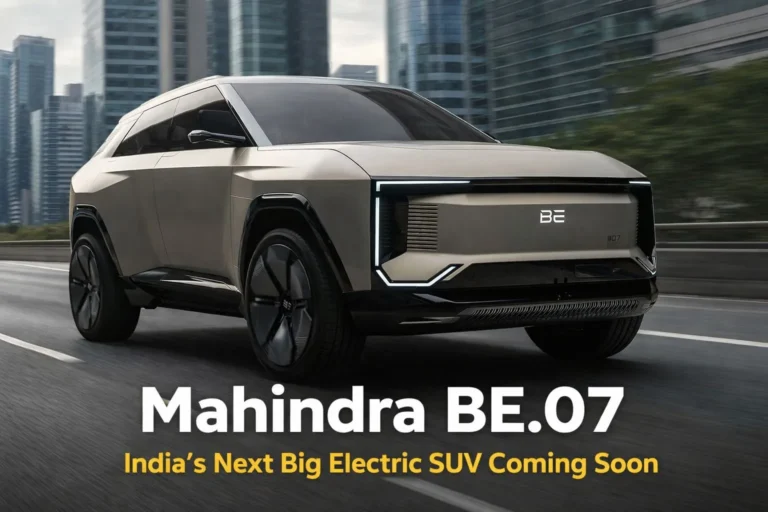
Tata Safari EV Coming Soon – A Bold Step Towards the Future of SUVs in India
The Indian electric vehicle (EV) market is evolving rapidly, and Tata Motors is leading this transformation with an aggressive EV lineup. One of the most awaited upcoming electric SUVs is the Tata Safari EV, which is expected to become the brand’s flagship electric offering. Known for its bold design, spacious cabin, and strong road presence, the Safari is already a popular name in India. Now, with electrification, Tata aims to take this legacy to the next level.
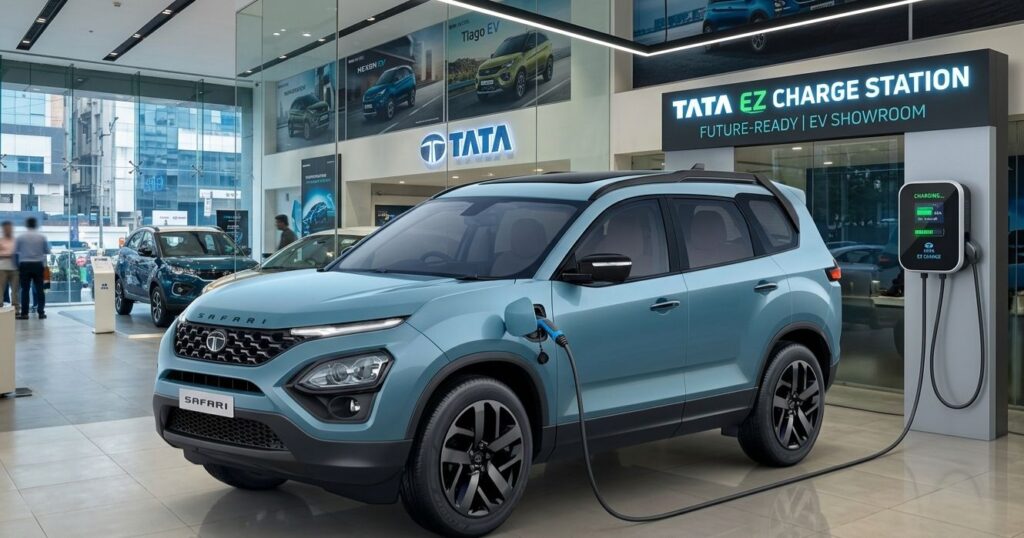
This article explores everything about the Tata Safari EV, including its expected launch date, price, features, and why it could become a game-changer in the Indian EV market.
Launch Date and Availability
While Tata Motors has kept official timelines close to the chest, industry insiders and recent production leaks point toward a May 2026 launch. Production is expected to ramp up by August 2026, with mass deliveries strategically timed for the festive season (around Diwali 2026).
The Safari EV will launch shortly after its 5-seater sibling, the Harrier EV, sharing much of its underlying architecture to streamline the rollout.
Price: What Will It Cost?
Affordability and value have always been a cornerstone of Tata’s EV strategy, and the Safari EV is expected to continue that tradition — albeit at a slightly premium price point. Pricing is expected between Rs 22.5 lakh and Rs 30 lakh. For comparison, the Harrier EV is priced from Rs 21.49 lakh to Rs 28.99 lakh. Given that the Safari EV will be a larger, three-row vehicle, a modest premium over the Harrier EV is logical and expected. The on-road price will vary depending on the state, applicable subsidies, and the chosen variant.
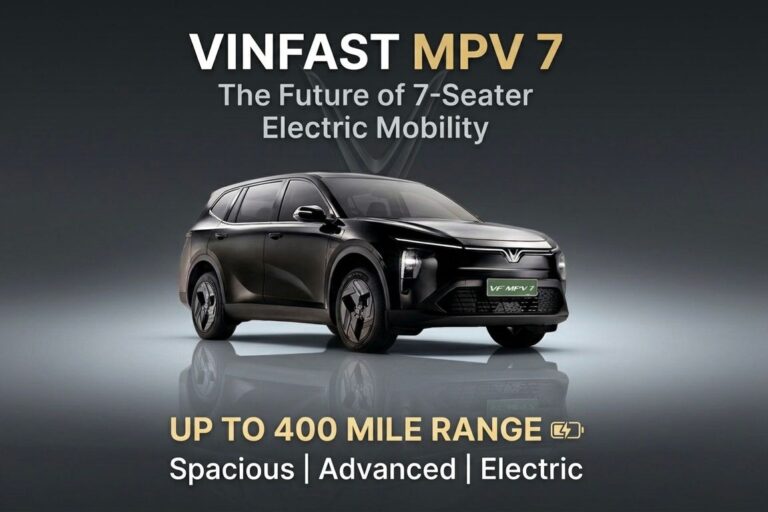
Also read: VinFast MPV 7: The Affordable 7-Seater Electric Car That Could Disrupt India’s Auto Market!
Platform and Powertrain
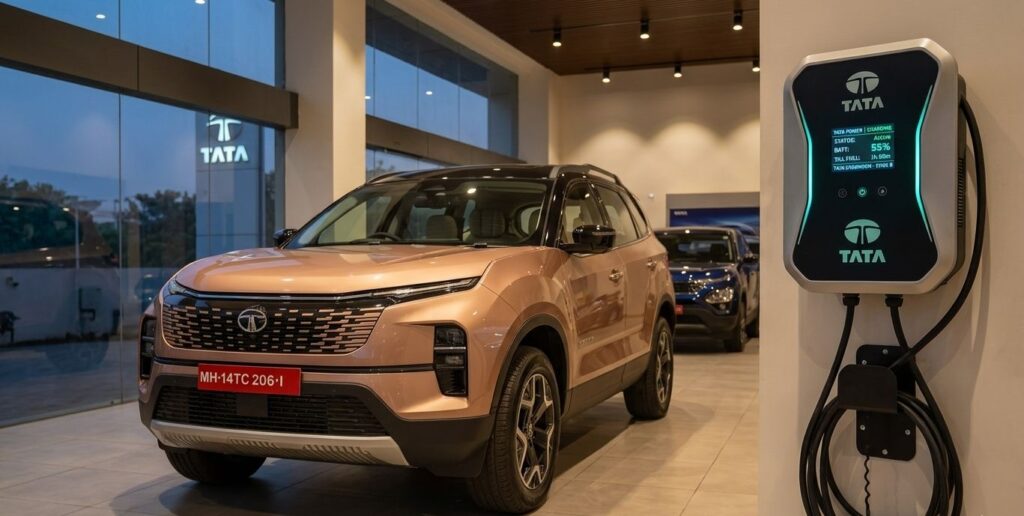
The Tata Safari EV, codenamed ‘Tayrona,’ will use the same acti.ev+ platform as the Harrier EV. This is a proven architecture that underpins Tata’s second-generation EVs and brings with it a host of technical advantages. The Safari EV is expected to share the Harrier EV’s battery and motor options. These include 65 kWh and 75 kWh battery packs, both with a single rear motor (RWD) as standard. A dual-motor all-wheel drive (AWD) setup is also likely for the 75 kWh variant.
A highlight of the specs will be a high-capacity battery pack that will offer an estimated 500 km range per charge. The AWD configuration will also give the Safari EV a clear edge over rivals like the Mahindra XEV 9e, which comes with a 2WD setup. Tata’s electric SUV is anticipated to have fast charging capabilities, allowing the vehicle to charge up to 80% in just 60 minutes.
Design: Bold, Modern, and EV-Ready
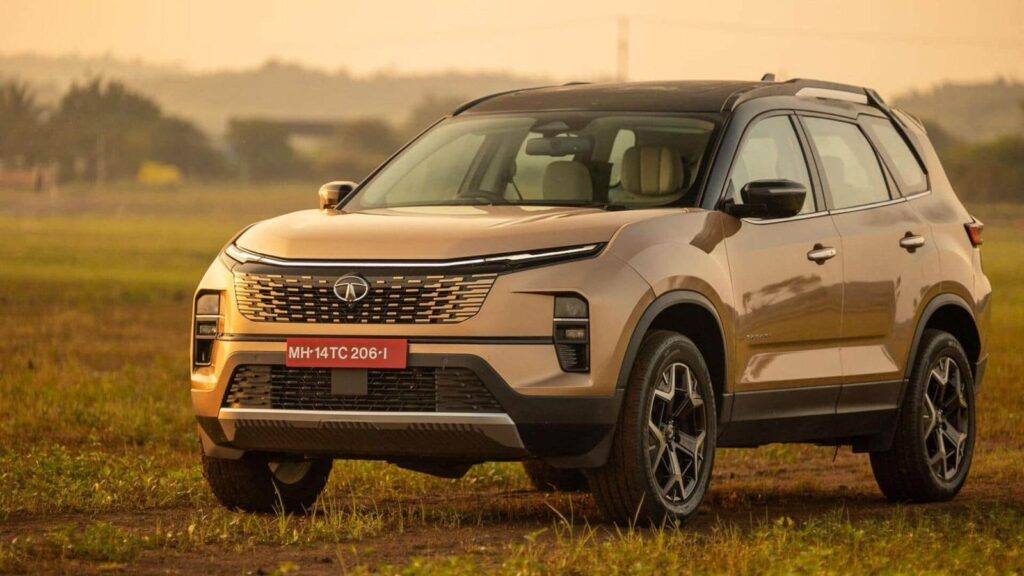
The Safari has always been one of India’s most recognizable SUVs, with a bold, muscular stance. The EV version will retain that commanding presence while incorporating modern electric-specific design cues. Styling changes will be minor, with a closed-off grille, revised bumpers, EV-specific badges, and aero-optimized alloy wheels. The overall silhouette will remain familiar, ensuring that Safari loyalists immediately recognize and connect with the car. The Safari EV’s dimensions will match its ICE counterpart, and the interior layout will remain largely unchanged.
Features and Technology
The Safari EV will be a genuinely tech-loaded vehicle. The Safari EV will benefit from Tata’s TiDAL (Tata Intelligent Digital Architecture Layer) E&E architecture, first seen in the Harrier EV. This system enables features like over-the-air updates, a 540-degree surround view, improved Level 2 ADAS, auto park assist, low-speed cruise control, UPI-based in-car payments, and a summon mode for remote vehicle movement.
The Safari EV will likely carry over several features from the Tata Harrier EV. These include multiple terrain modes such as Normal, Snow/Grass, Mud-Ruts, Sand, Rock Crawl, and Custom. The SUV will also have a multi-link rear suspension with frequency-dependent dampers for better ride comfort. Inside the cabin, expect a large touchscreen infotainment display, a fully digital instrument cluster, ventilated seats, and premium audio — all trademarks of the current Safari’s top-tier experience.
Competition in 2026
The Safari EV won’t be alone. By the time it hits the showrooms, it will face stiff competition from:
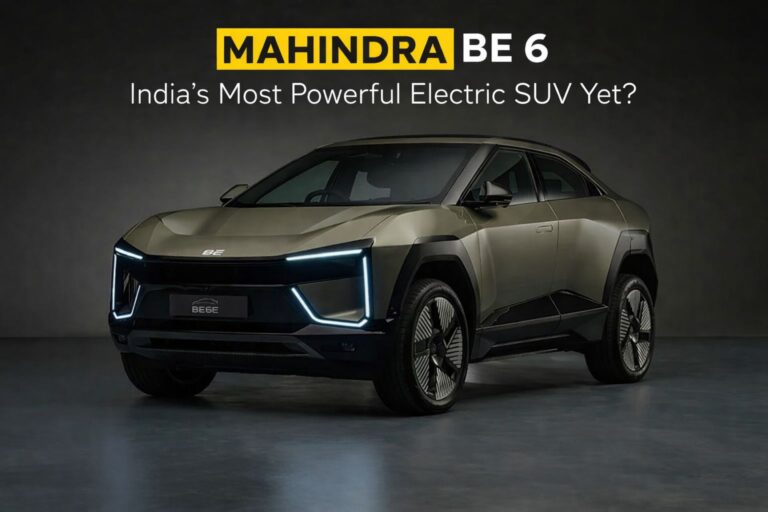
- Mahindra XEV 9e: Built on the INGLO platform, offering high-tech interiors.
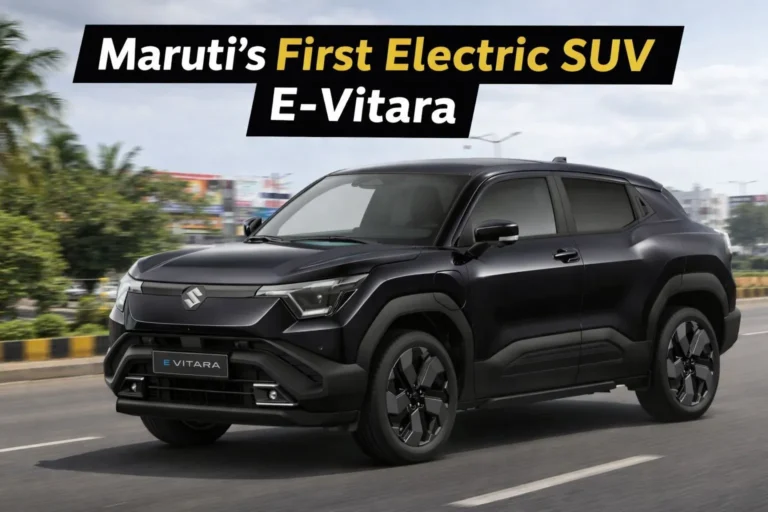
- Maruti Suzuki e Vitara: Bringing Maruti’s massive service network to the EV space.
- Hyundai Creta EV: A smaller but highly popular alternative.
Final Verdict
The Tata Safari EV represents more than just a motor swap; it’s a statement of intent. By offering a 7-seater with AWD, a 600 km range, and 5-star safety, Tata is addressing the biggest “pain points” of Indian EV buyers: range anxiety and family space. If the starting price holds at ₹26 lakh, it could very well become the gold standard for electric SUVs in India.
Also read: Royal Enfield Guerrilla 450: The Modern Roadster That Rewrites the Rules
FAQs
When will the Tata Safari EV be launched in India?
The Tata Safari EV is expected to launch during the festive season of 2026 (September–November), with production likely beginning in August 2026.
What is the expected price of the Tata Safari EV?
The Safari EV is expected to be priced between ₹22.5 lakh and ₹30 lakh (ex-showroom), making it slightly more expensive than the Harrier EV due to its larger, three-row format.
What is the expected range of the Tata Safari EV on a single charge?
The Safari EV is estimated to offer a range of up to 500 km on a single charge, thanks to its high-capacity battery pack.
What battery options will be available?
Two battery pack options are expected — 65 kWh and 75 kWh. The larger 75 kWh pack is likely to come with a dual-motor AWD setup.
Will the Tata Safari EV have all-wheel drive?
Yes. A dual-motor AWD configuration is expected on the top-end 75 kWh variant, giving it an edge in off-road and wet-road conditions.